Craigmillar Castle
Step inside Edinburgh's other castle, once a rural retreat from Scotland's capital!
About Craigmillar Castle
| Craigmillar Castle Craigmillar Castle Road, Edinburgh South EH16 4SY | |
| 01316614445 | |
| Craigmillar Castle Website | |
| Facebook information can be found here | |
In light of updated Scottish Government advice regarding Coronavirus (COVID-19), we have taken the decision to close public access to our staffed properties and offices until further notice. All planned public events will also be postponed until further notice – full details of these can be found on our Events page in the coming days: historicenvironment.scot/whats-on.
Craigmillar is one of Scotland’s most perfectly preserved castles. It began as a simple tower-house residence. Gradually, over time, it developed into a complex of structures and spaces, as subsequent owners attempted to improve its comfort and amenity. As a result, there are many nooks and crannies to explore. Of equal importance were the surrounding gardens and parkland, and the present-day Craigmillar Castle Park has fascinating reminders of the castle’s days as a rural retreat on the edge of Scotland’s capital city.
At the core lies the original, late-14th-century tower house, among the first of this new form of castle built in Scotland. It stands 17m high to the battlements, has walls almost 3m thick, and holds a warren of rooms, including a fine great hall on the first floor, and the so-called ‘Queen Mary’s Room’ beside it, where Mary is said to have slept when staying there as a guest of the Prestons. In all probability, Mary resided in a multi-roomed apartment elsewhere in the courtyard, probably in the east range.
Also here is a labyrinth of dark spaces, including a grim basement prison where an upright skeleton was found walled up in the early 19th century. The west range was rebuilt as the Gilmour family’s residence after 1660. Beyond the well-preserved 15th-century courtyard wall, complete with gunholes shaped like inverted keyholes, lie other buildings, including a private family chapel.
All information (whether in text or photographs) is supplied in good faith but should not be relied upon as being a statement of representation or fact.
Upcoming Events at Craigmillar Castle
More History and Culture in Edinburgh
The Cadies & Witchery Tours
84 West Bow,
Edinburgh Old Town EH1 2HH
The award-winning Cadies & Witchery Tours invite you to join their fearless phantoms for a suspenseful and mirth-filled tour of Edinburgh's Old Town!
READ MORE
The Peoples Story Museum
163 Canongate ,
Edinburgh Old Town EH8 8BN
The People's Story gives an unique insight in to Edinburgh's working class people from the 18th century to the late 20th century.
READ MORE
Prestongrange Museum
Prestongrange Museum Morrisons Haven,
Prestonpans EH32 9RX
Prestongrange is a free open-air museum, that tells 700 years of industrial heritage history. Family friendly, with lots to see and do!
READ MORE
Scott Monument
Scott Monument East Princes Street Gardens ,
Edinburgh Old Town EH2 2EJ
Standing proudly in Princes Street Gardens, the Scott Monument is one of the most iconic Edinburgh landmarks, a must-visit for tourists and locals alike.
READ MORE
John Gray Centre
15 Lodge Street,
Haddington EH41 3DX
The John Gray Centre brings together East Lothian Council’s Archaeology, Museum, Archive and Local History Services, alongside Haddington’s branch library.
READ MORE
Linlithgow Palace
Linlithgow Palace Kirkgate,
Linlithgow EH49 7AL
Explore the magnificent ruins of the birthplace of Mary Queen of Scots. Linlithgow Palace was built and added to over two centuries by the Stewart kings, resulting in a superb Renaissance residence.
READ MORE
Edinburgh Street Historians
The High Street Wellhead Old Assembly Close,
Edinburgh Old Town EH1 1QX
The Edinburgh Street Historians are a group of local, Edinburgh-based tour guides, who want to tell the story of the city in a way which is different from other tour companies.
READ MORE
Greater Grassmarket
Greater Grassmarket Business Improvement District 39 Grassmarket,
Edinburgh Old Town EH1 2HS
Steeped in some of Edinburgh's greatest history, Greater Grassmarket is only a minutes' walk from the popular Royal Mile and visitor favourite, the National Museum of Scotland.
READ MORE
The Palace of Holyroodhouse
The Palace of Holyroodhouse Canongate,
Edinburgh East EH8 8DX
The Palace of Holyroodhouse, commonly referred to as Holyrood Palace, is the official residence of the British monarch in Scotland.
READ MORE
Newbattle Abbey
NA Newbattle Road,
Dalkeith EH22 3LL
Newbattle Abbey is set in 125 acres of beautiful parkland just outside Edinburgh and contains a wealth of Scottish history.
READ MORE
Edinburgh Castle
Edinburgh Castle Castlehill,
Edinburgh Old Town EH1 2NG
Edinburgh Castle dominates Scotland's capital city from its great rock. Its story has helped shape the nation's story.
READ MORE
Lauriston Castle
2 Cramond Road South,
Edinburgh West EH4 6AD
When you step inside Lauriston Castle, you see it just as it was in 1926, when it was left to the nation by the last private owner, Mrs Reid.
READ MORE
All History and Culture listings in Edinburgh
Sponsored Links







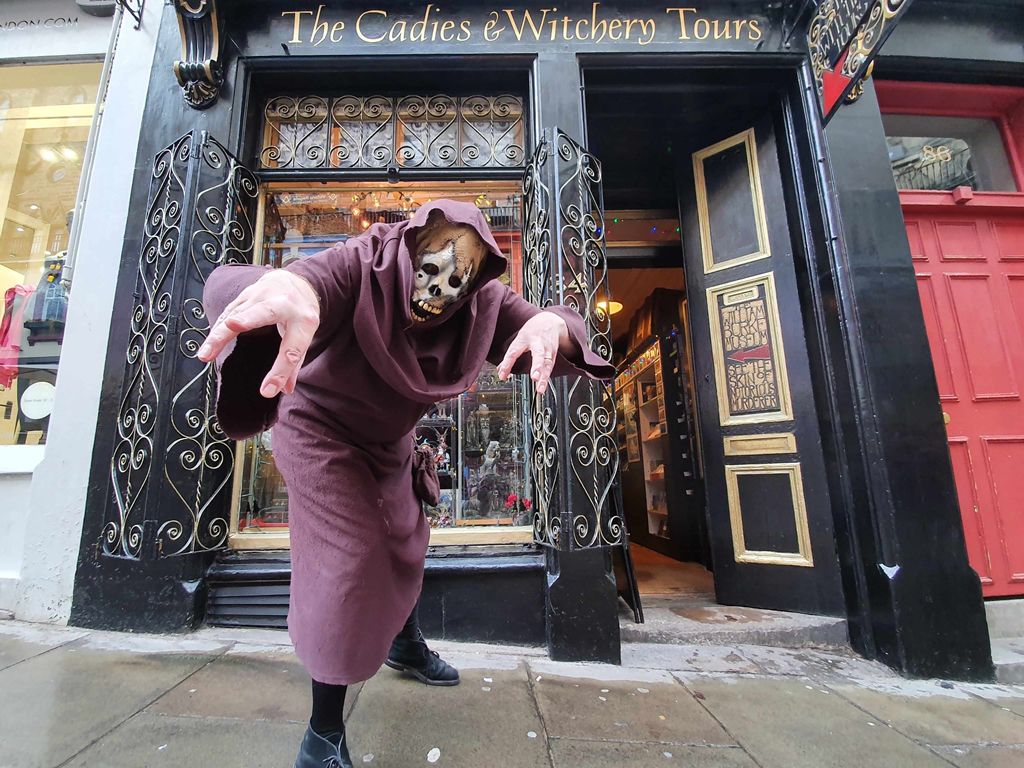
The Cadies & Witchery Tours
The award-winning Cadies & Witchery Tours invite you to join their fearless phantoms for a suspenseful and mirth-filled tour of Edinburgh's Old Town!
READ MORE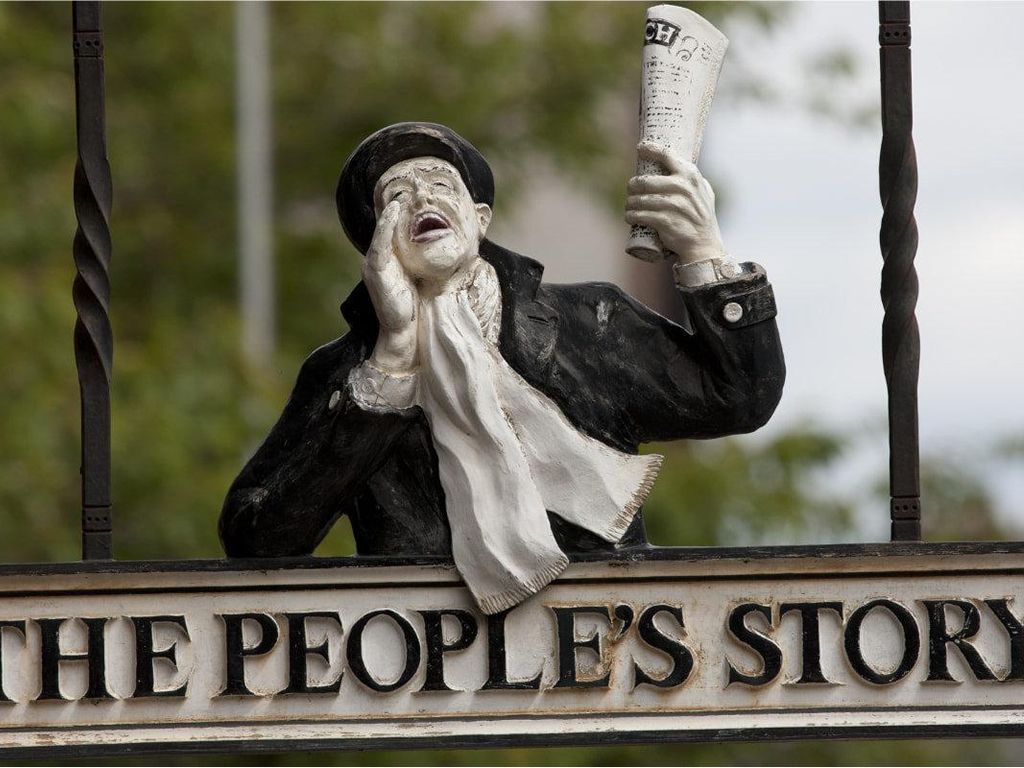
The Peoples Story Museum
The People's Story gives an unique insight in to Edinburgh's working class people from the 18th century to the late 20th century.
READ MORE
Prestongrange Museum
Prestongrange is a free open-air museum, that tells 700 years of industrial heritage history. Family friendly, with lots to see and do!
READ MORE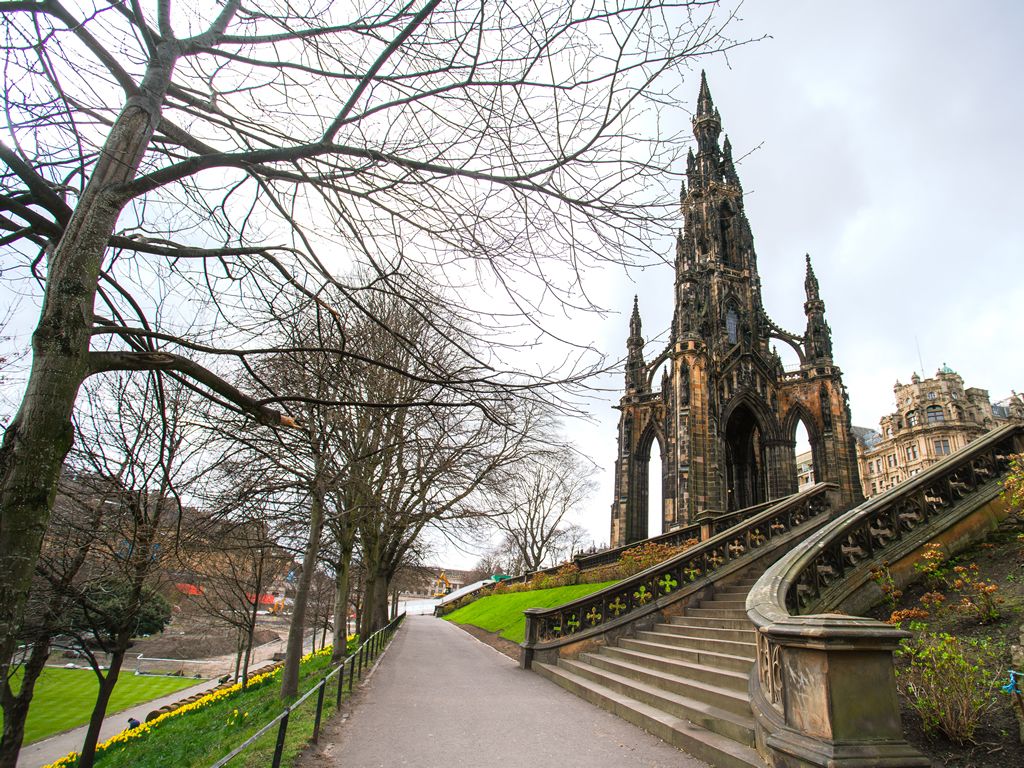
Scott Monument
Standing proudly in Princes Street Gardens, the Scott Monument is one of the most iconic Edinburgh landmarks, a must-visit for tourists and locals alike.
READ MORE
John Gray Centre
The John Gray Centre brings together East Lothian Council’s Archaeology, Museum, Archive and Local History Services, alongside Haddington’s branch library.
READ MORELinlithgow Palace
Explore the magnificent ruins of the birthplace of Mary Queen of Scots. Linlithgow Palace was built and added to over two centuries by the Stewart kings, resulting in a superb Renaissance residence.
READ MORE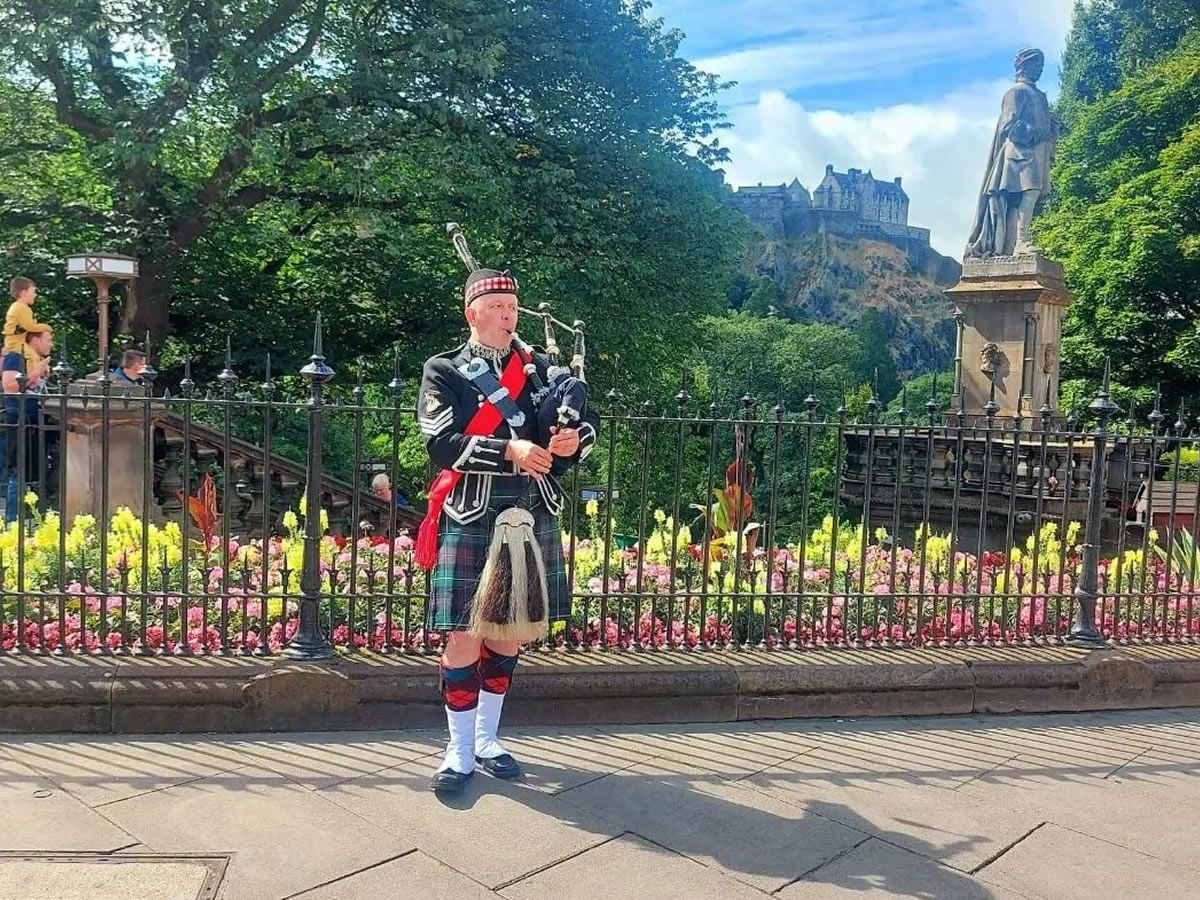
Edinburgh Street Historians
The Edinburgh Street Historians are a group of local, Edinburgh-based tour guides, who want to tell the story of the city in a way which is different from other tour companies.
READ MORE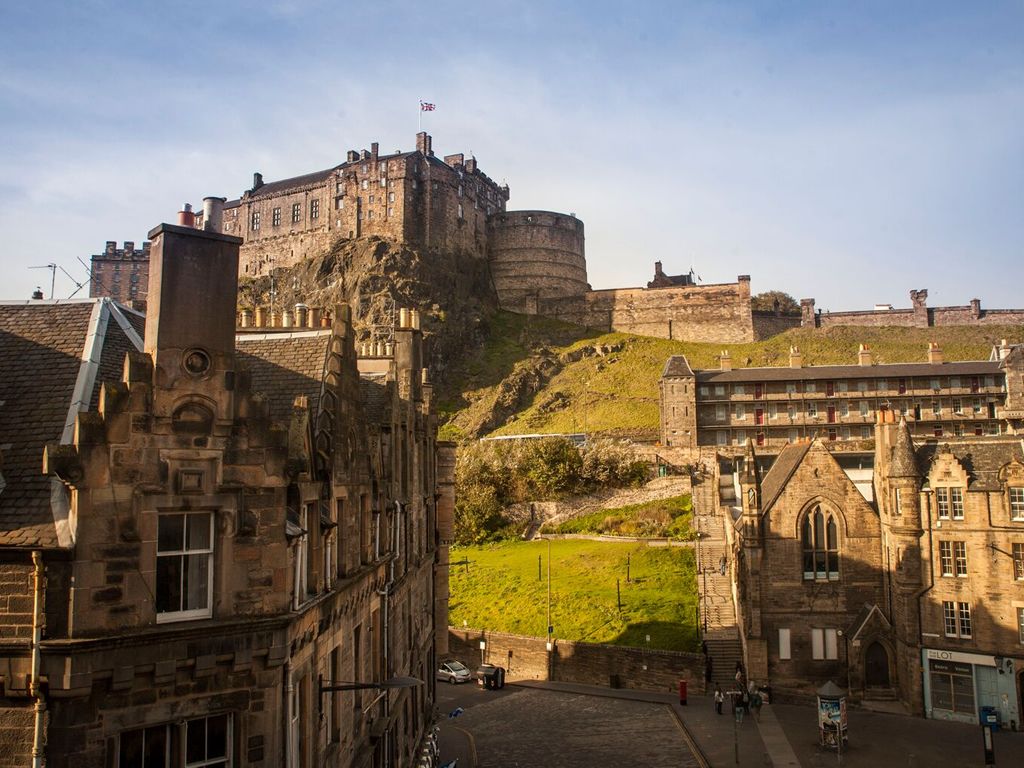
Greater Grassmarket
Steeped in some of Edinburgh's greatest history, Greater Grassmarket is only a minutes' walk from the popular Royal Mile and visitor favourite, the National Museum of Scotland.
READ MORE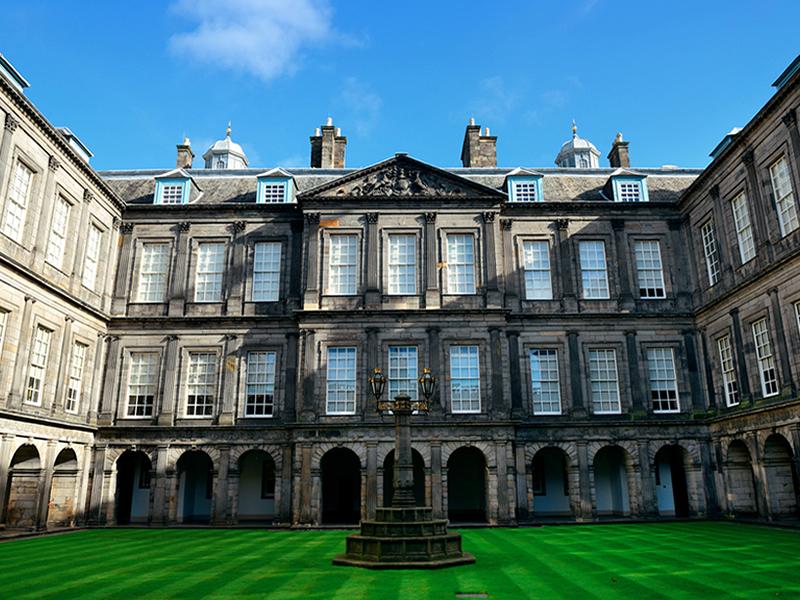
The Palace of Holyroodhouse
The Palace of Holyroodhouse, commonly referred to as Holyrood Palace, is the official residence of the British monarch in Scotland.
READ MORE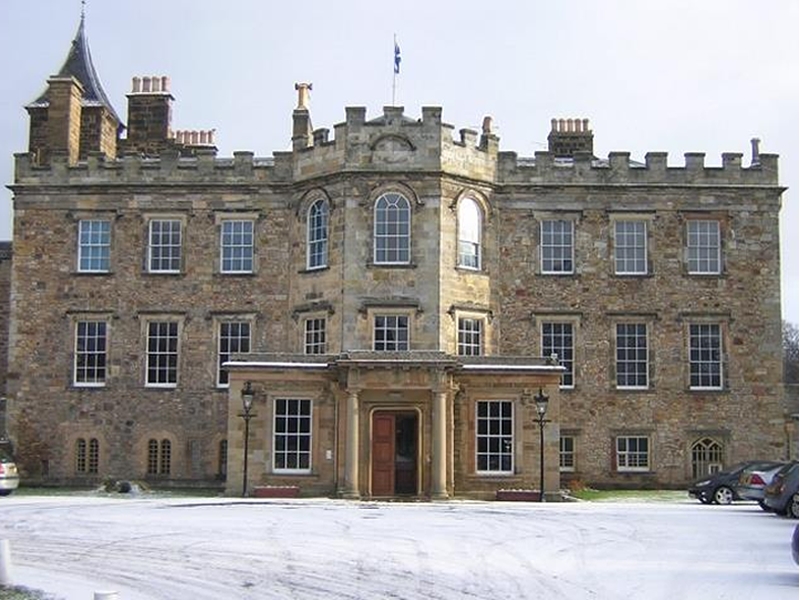
Newbattle Abbey
Newbattle Abbey is set in 125 acres of beautiful parkland just outside Edinburgh and contains a wealth of Scottish history.
READ MORE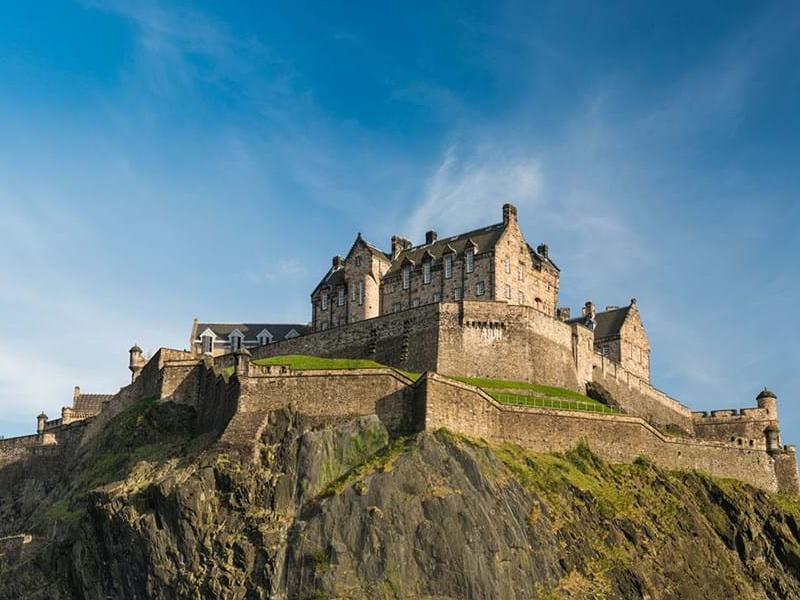
Edinburgh Castle
Edinburgh Castle dominates Scotland's capital city from its great rock. Its story has helped shape the nation's story.
READ MORE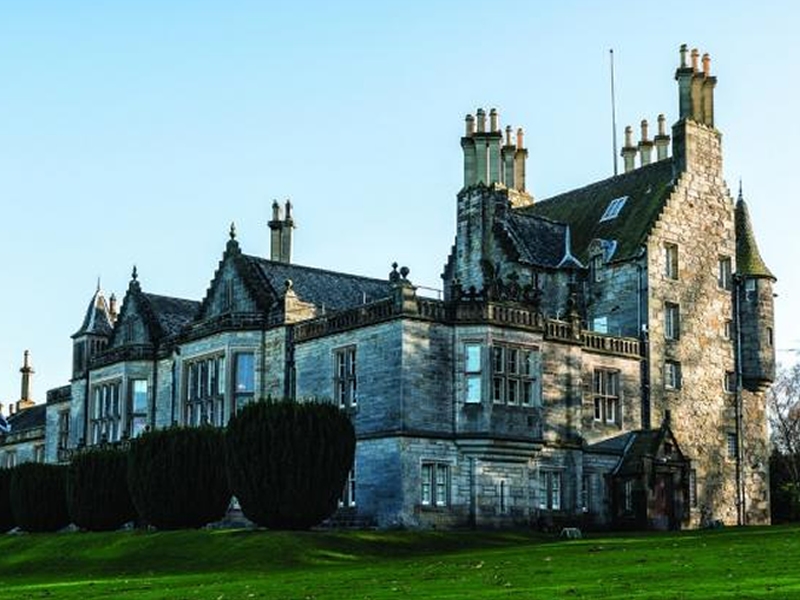
Lauriston Castle
When you step inside Lauriston Castle, you see it just as it was in 1926, when it was left to the nation by the last private owner, Mrs Reid.
READ MORESponsored Links
Sponsored Links